
Build Your India GCC.
Own It When You're Ready.
We build and operate your Global Capability Center in India, then transfer the entity, the team, and the infrastructure to you on a timeline agreed up front.
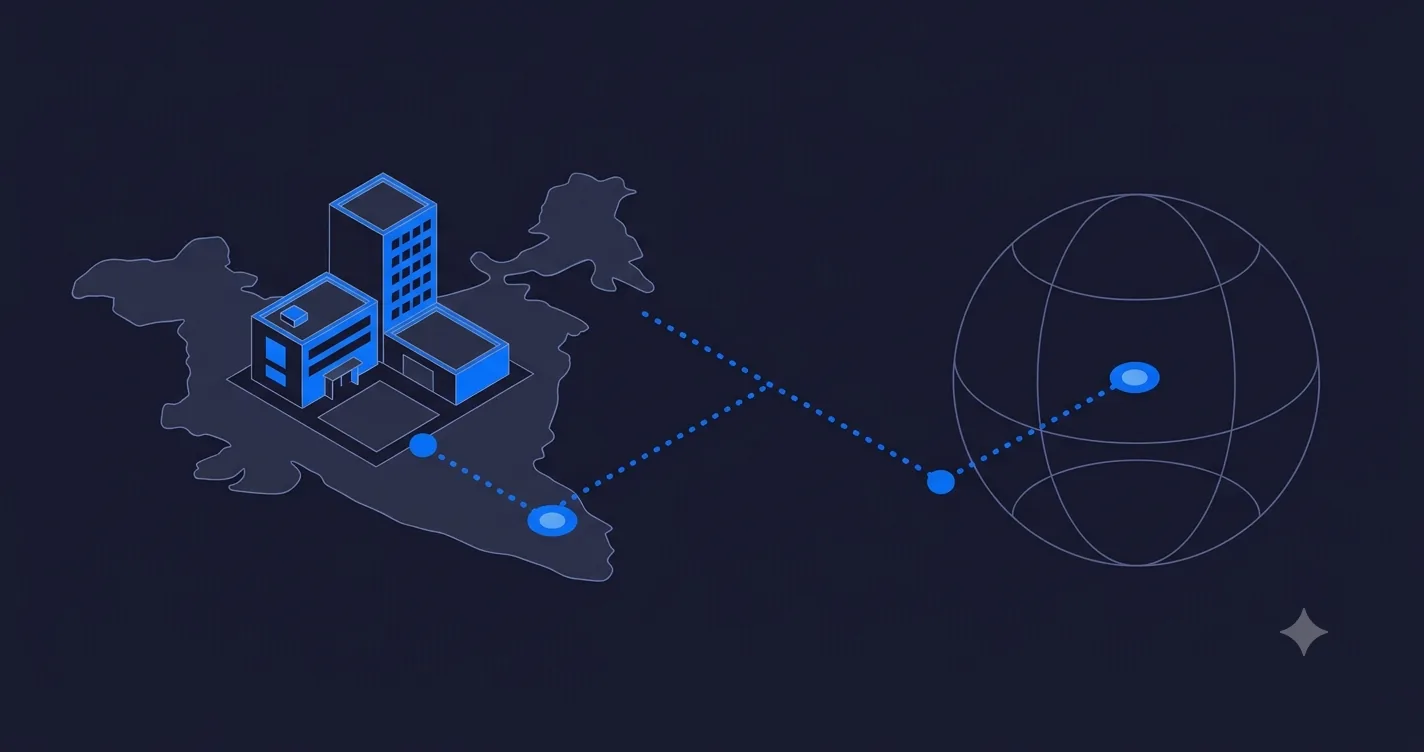
The BOT model
Build. Operate. Transfer.
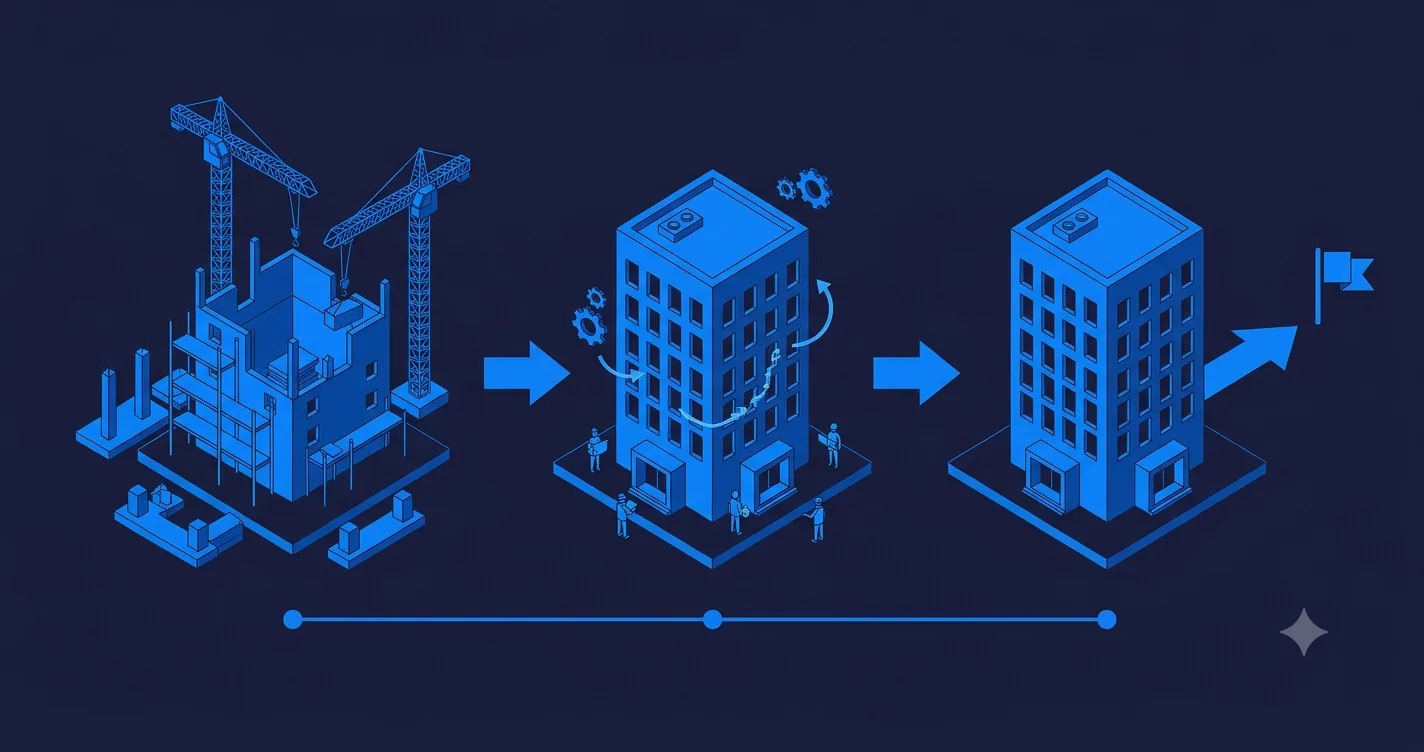
BUILD
We stand up the center.
Entity planning support, office or hybrid setup, hiring plan, and the first core team hired against your bar, not a generic vendor profile.
OPERATE
We run it while it scales.
HR, payroll, infrastructure, delivery management, and quality all run day to day while the team grows toward your target headcount.
TRANSFER
We hand over full ownership.
Entity, team, and infrastructure transfer to you on a timeline agreed up front, not an open-ended arrangement with no exit.
Why India
Why companies are building GCCs in India right now.
TALENT DEPTH
Senior engineering, data, and QA talent across every major stack, not a thin layer of generalists.
TIMEZONE OVERLAP
Workable overlap windows with the US, UK, and Europe for daily standups and live collaboration.
COST STRUCTURE
A materially lower fully-loaded cost per engineer than building the same team in the US, UK, or Western Europe.
SCALE READINESS
Hiring pipelines and infrastructure built to go from a handful of people to several hundred without a rebuild.
How it works
Five steps from scoping to full ownership.
Scope the center
Functions, headcount targets, entity structure, and the transfer timeline agreed before anything is hired.
Build the core team
Leadership and first engineers hired against your bar. Office, tooling, and compliance set up in parallel.
Operate and scale
Day-to-day HR, payroll, delivery, and quality run by us while headcount grows toward the agreed target.
Prepare the handover
Entity, contracts, infrastructure, and knowledge documented well ahead of the transfer date, not at the last minute.
Transfer ownership
The entity, the team, and the infrastructure become fully yours. No lock-in, no ongoing dependency on us.
Ownership and IP
Clean terms, agreed before day one.
WHAT TRANSFERS TO YOU
- The legal entity (or a clean transfer of the team into your own entity)
- Every employee's contract, novated to you directly
- Infrastructure, tooling licenses, and office arrangements
- Process documentation and delivery knowledge
WHAT WE KEEP SEPARATE FROM DAY ONE
- Your IP stays yours. Assignment terms are in the original agreement, not negotiated at transfer time.
- No shared infrastructure that creates a dependency on us post-transfer
- No vendor lock-in clauses that make transfer harder than it needs to be
- A transfer date and criteria agreed before the center is even built
Who it is for
Best-fit organizations.
COMPANIES SCALING ENGINEERING IN INDIA
Want an owned team of 25-200+, not a staffing arrangement.
TEAMS WITHOUT INDIA ENTITY EXPERIENCE
Need the center built and run by people who have done it before, not a first attempt in-house.
ORGANIZATIONS WITH A CLEAR EXIT DATE IN MIND
Want operational support now and full ownership on a defined timeline.
ENTERPRISES EVALUATING GCC VS STAFF AUGMENTATION
Need the center to eventually be fully theirs, not an ongoing dependency on a vendor.
Related offerings
Not ready for a full GCC yet?
If you need a handful of dedicated engineers rather than a full owned operation, see our enterprise engagement models or hire dedicated software architects and backend engineers directly. For how we structure engagements so they actually last, see why teams stay with us 18+ months and how we work. And if you are still deciding between a full GCC and building your own India entity from scratch, read GCC Build-Operate-Transfer vs building your own entity.
FAQ
Quick answers.
What is a Build-Operate-Transfer (BOT) model for a GCC in India?
+
BOT means a partner builds your Global Capability Center in India, including hiring, entity setup, and infrastructure, operates it day to day while it scales, and then transfers full ownership, the entity, the team, and the infrastructure, to you on an agreed timeline. You end up with a fully owned India center without having to build the operating capability from scratch yourself.
How is a GCC different from staff augmentation or hiring dedicated developers?
+
Staff augmentation gives you people who work as your team but remain employed by the vendor indefinitely. A GCC under a BOT model is a path to an entity and a team you will own outright. If you want a handful of developers ongoing, staff augmentation is simpler. If you want a scaled, owned India operation with a defined path to full control, a GCC and BOT model fits better.
How long does the Build phase take?
+
It depends on scope and target headcount, but a core leadership and first-wave engineering team is typically in place within a few months of signing. Full scale-up to target headcount happens over the Operate phase, on a schedule set during initial scoping, not an open-ended ramp.
When does the Transfer actually happen, and what does it include?
+
The transfer date and the criteria that trigger it (headcount reached, operational maturity, or simply a calendar date) are agreed before the center is built, not negotiated after the fact. Transfer includes the legal entity or a clean novation of every employee's contract to you, infrastructure and tooling, and full process documentation.
Who owns the IP built during the Build and Operate phases?
+
You do. IP assignment terms are written into the original agreement before the center starts operating, not revisited at transfer time. This is a standard, non-negotiable term of how we structure every GCC engagement.
Is there any lock-in after the transfer?
+
No. Once the entity, team, and infrastructure transfer, there is no shared tooling, licensing, or dependency that requires an ongoing relationship with us. You can optionally keep working with us on specific problems afterward, but nothing about the GCC itself requires it.
What size company is a GCC and BOT model a good fit for?
+
It fits organizations planning a team of roughly 25 to 200 or more people in India, where the end goal is an owned operation rather than an ongoing vendor arrangement. Smaller or shorter-term needs are usually better served by staff augmentation or a dedicated-hire engagement instead.
Scope your India GCC.
Tell us your target team size and timeline. We'll come back with a scoped Build-Operate-Transfer plan.